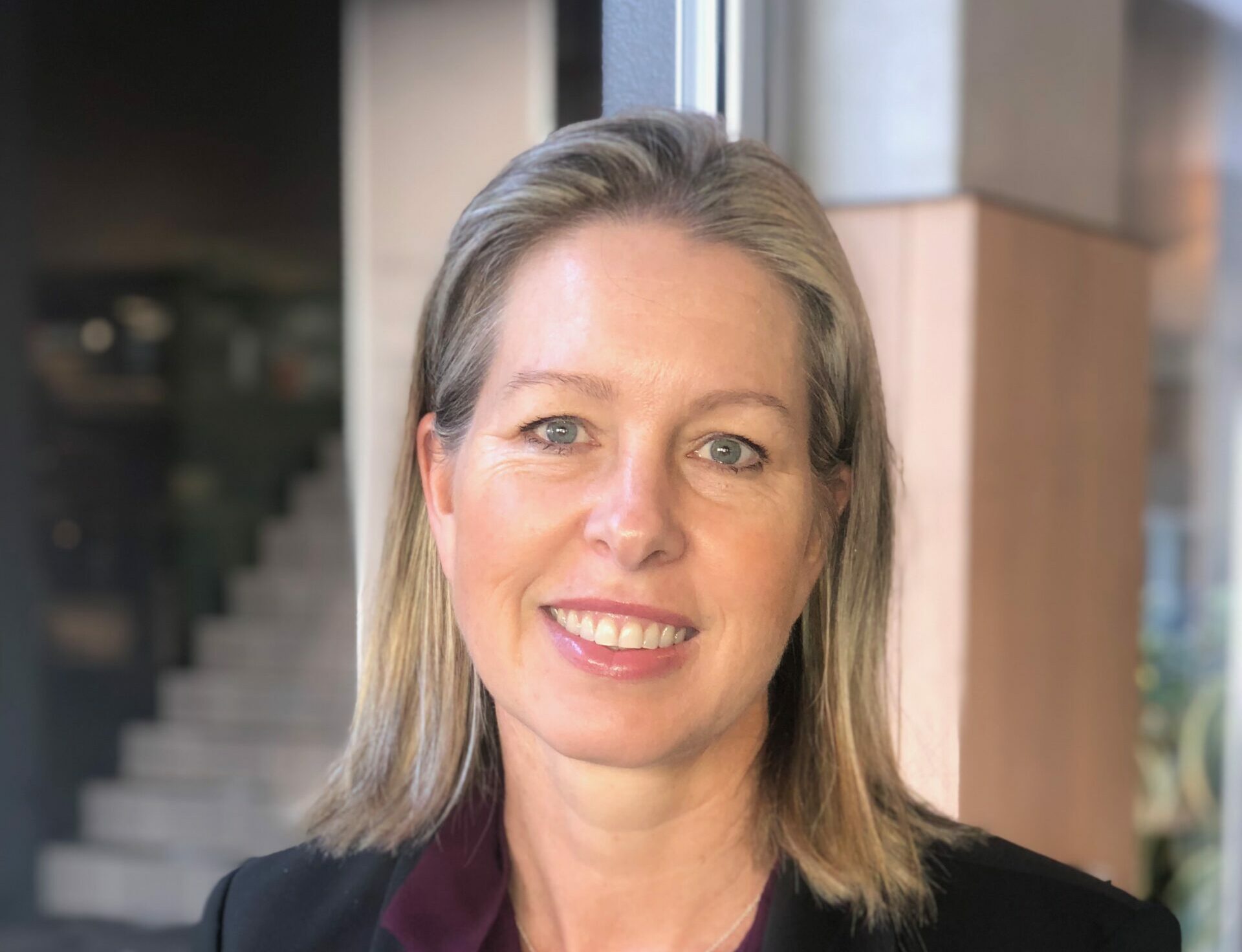
Giselle Collins is an experienced Non-Executive Director and former Chair with a strong track record across listed, private equity, and not-for-profit organisations. Most recently she chaired ASX-listed Hotel Property Investments Limited (HPI) and Pacific Smiles Group, both of which were successfully taken over and delisted in 2024 at significant share price premiums. She is currently a Non-Executive Director and Audit Committee Chair of ASX200 Generation Development Group and also serves on the boards of Journey Beyond (experiential tourism) and Videri Australia (healthcare for dementia). Her previous board roles include AMP’s responsible entity IPAC Asset Management (FUM $84 billion) and Amplitude Energy, where she served as Audit Chair.
Giselle has also contributed extensively across governance and community sectors, including leadership roles with Indigenous Business Australia, Aon Superannuation, Travelodge Hotel Group, Lion Retail Management, and several not-for-profit and advisory boards. Earlier in her career, she worked as a Chartered Accountant with KPMG in London, Switzerland, and Sydney before holding commercial roles with James Hardie, Hannan Group, and NRMA Motoring and Services, where she led Treasury as well as the Holiday Parks, Travelodge Hotel Group (JV with Mirvac), and Property portfolios.
What is one key leadership trait that will be essential in the next decade and why?
The leadership trait I believe will be most essential in the coming decade is the ability to act as a protective shield for your team — buffering them from organisational noise and external pressures so they can remain focused, positive, and purposeful in their work.
While this may sound counterintuitive, it is fundamentally about creating the conditions for people to flourish. When team members feel genuinely supported — knowing that mistakes are met with trust rather than judgment — a culture emerges where individuals feel free to be themselves, take considered risks, and find real enjoyment in both their individual contributions and their collective effort. The result is a team that is not only high-performing, but cohesive and resilient.
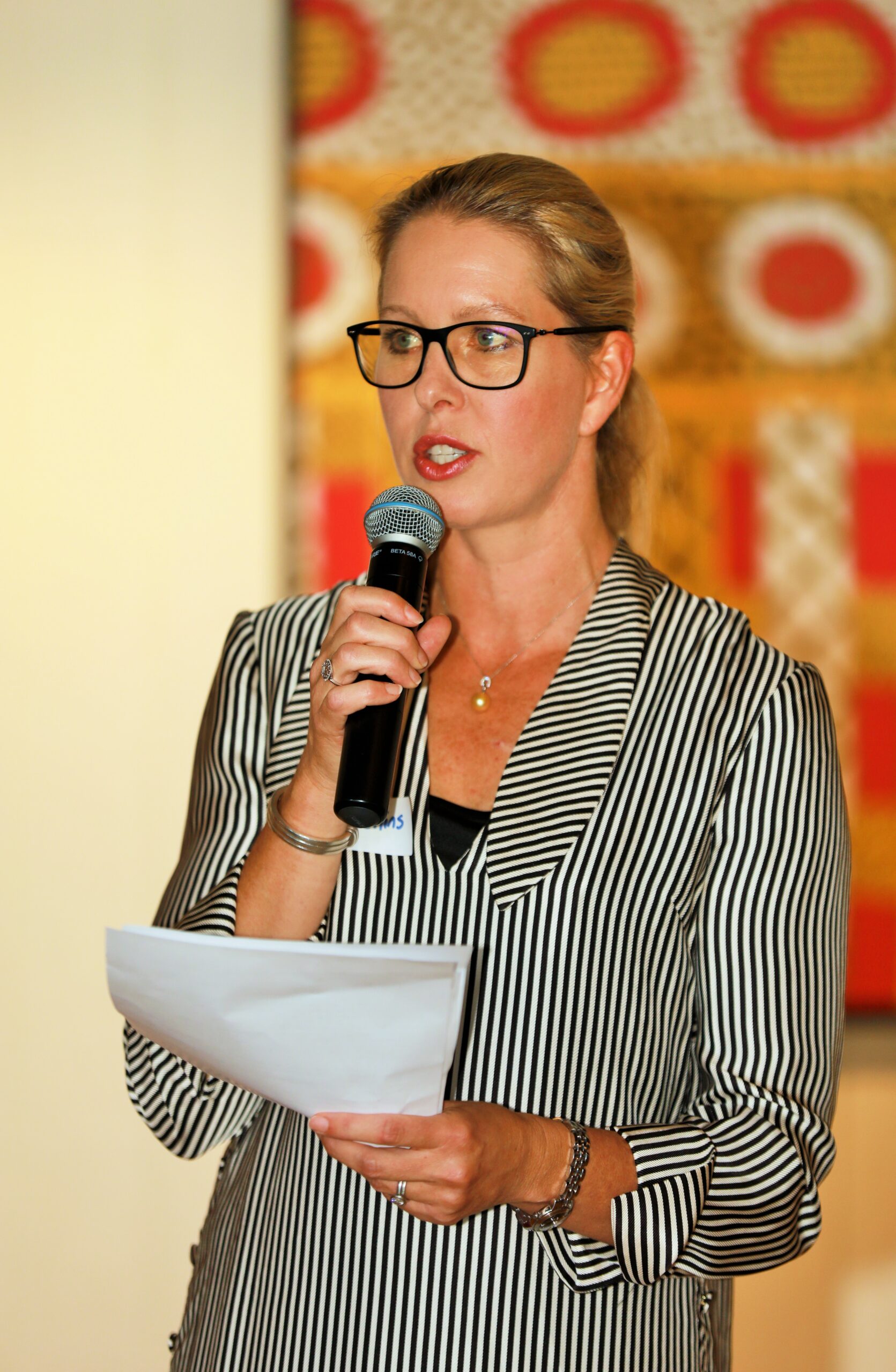
This approach also builds the psychological safety needed to engage in robust, meaningful debate about priorities and direction — something that has never been more important. We are operating in an environment that is highly volatile, where pessimism about opportunity can easily take hold, and where disruption is no longer a distant possibility but a defining feature of the landscape, particularly for established business models. Leaders who can hold that space — protecting their teams while engaging honestly with complexity — will be the ones who unlock exceptional outcomes.
For me, there is no greater professional satisfaction than watching my team demonstrate their capabilities — individually and collectively. That is when leadership feels most rewarding.
What is a mistake you’ve made and what did you learn as a result?
Early in a significant business transformation role, I made the assumption that doing the right thing — making difficult but necessary decisions in the best interests of the organisation — would be recognised and supported by my direct leadership. I trusted that my manager would advocate for me as I navigated the inevitable friction that comes with meaningful change.
What I failed to appreciate was that the very boldness required to drive transformation can be perceived as threatening by those around you, including those above you. The result was a damaging pattern of misinformation and quiet undermining that was both difficult to identify and difficult to counter.
The lesson I took from this experience is one I now consider foundational: transparency with your stakeholders is not optional — it is strategic. Ensuring that your vision, your reasoning, and your intentions are clearly understood and genuinely supported across your stakeholder landscape is essential, particularly when you are driving change. This is, of course, what is commonly referred to as organisational politics — a term I had perhaps been too idealistic to fully respect. Not everyone in a leadership chain is solely focused on what is best for the business or on building exceptional teams. Recognising that reality, without becoming cynical, is a mark of mature leadership.
Do you have any mottos or mantras you live by?
My guiding principle is to live fully — in every sense of the word.
That means embracing the small, quiet beauties of everyday life. Long before mindfulness became a cultural movement, I would never walk past a flower without stopping to smell it. It means saying yes to experiences that fill your emotional cup, even when you are far from mastery — I am by no means a skilled skier, but I sing on the way down the slopes. I dive into the ocean and feel genuinely grateful for the ability to do so.
At its heart, my mantra is one of gratitude, self-compassion, and the deliberate choice not to be governed by fear.
I grew up as a deeply introverted and fearful child, but I made an early decision that fear would not define me. My first act of courage was learning to ride a horse — bareback, which meant many falls and many conversations with myself about climbing back on. But the reward of that freedom — the sensation of moving as one with the horse, feeling the wind — made every tumble worthwhile.
That experience shaped how I approach life: the willingness to be uncomfortable in pursuit of something meaningful, and the understanding that joy and resilience are not opposites — they are companions.