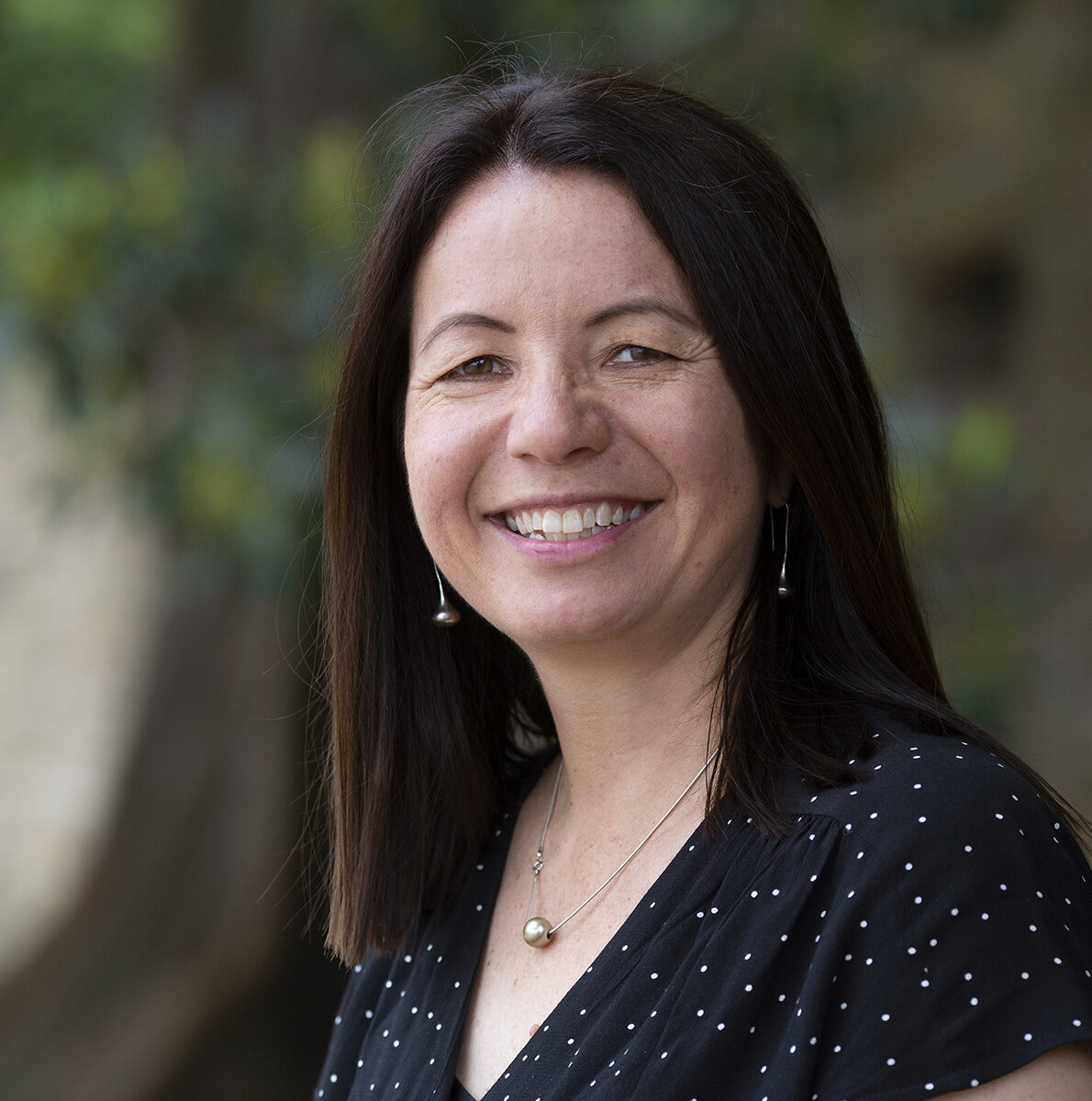
Geraldine is a Chair, non-executive director, board consultant and organisational coach with senior executive and board experience across ASX-listed companies, professional services firms, scale-up and for-purpose organisations.
As a board and governance principal at Directors Australia, Geraldine specialises in working with boards and directors to improve their performance, dynamics and relationships. Drawing on her postgraduate qualifications in law and coaching psychology, she uses tools such as the Herrmann Brain Dominance Instrument (HBDI) to harness diverse thinking preferences around the board table and improve the human dimensions of governance.
Her current board roles include Chair of the Tech Policy Design Institute, non-executive director of Relationships Australia (QLD) and Asia Society Australia and the Advisory Board Chair of the ANU Centre for Asian-Australian Leadership.
Over the last 20 years, Geraldine has led large-scale business and cultural transformation programs as a senior executive in ASX-listed companies and professional services firms. She is particularly passionate about building and maintaining inclusive cultures which attract, retain and bring out the best of a diverse workforce.
Can you share a defining moment in your journey that has shaped how you lead?
The most defining moments for me have come from being challenged in a deep and constructive way by peer leadership circles and mentors from diverse backgrounds and perspectives.
In 2013, following the birth of my second child, I was considering moving full time from the corporate sector into the not-for-profit sector to further my passion for impact beyond the contribution I was making through my volunteer board roles.
My peer circle helped me see something I couldn’t see alone: there were already many people with my passion working in the not-for-profit sector, but far fewer bringing that same drive for positive social change into the corporate world. That reframing was powerful. It helped me get clear on the heuristics for my next role and to recognise that I could make a bigger difference by staying in the corporate sector — but on my own terms. I went on to take on my biggest corporate executive role, with clear guardrails around the impact I wanted to have, and with a peer circle that kept me accountable to that purpose throughout.
What do you think we can do to further women’s leadership in Australia today?
To further women’s leadership in Australia, I believe we need to fundamentally redefine what we consider effective leadership to look like.
The bias that has developed around the “look and feel” of effective leadership impacts every part of women’s leadership: whether this is through opportunities and expectations in the workplace and media, perceptions within the family and social sphere, gender pay equity or importantly, the way we perceive and value ourselves.
Thankfully we now have many examples of individual trailblazing and role modelling which helps women to strive to be what they can see.
But in order to move beyond the glass cliff, pay inequity, caring responsibility inequity and to improve women’s wellbeing, we need to make more significant changes at a systemic and institutional level to how leadership is defined and valued. Importantly, we need to more meaningfully value the unique strengths and approaches that leaders from different cultures, backgrounds and experiences bring and re-design organisational structures to better support, promote, reward and recognise a broader definition of leadership.
What is one piece of advice you wished you received earlier in your career?
I have benefited from extraordinary mentors, sponsors and coaches and their wisdom and support have contributed to making me a better leader.
With the benefit of hindsight, my advice to my younger self would be this: you are a better leader — and healthier — when you lead from your strengths and your own leadership style, rather than the version of leadership you think you’re supposed to embody.
“The leaders who have the most lasting impact aren’t those who conform to a template. They’re the ones who have the courage to lead as themselves in a personally sustainable way.”
What do you love about IWFA or why were you compelled to join?
What drew me to IWFA is its intimate and genuinely relational nature. In a world where networking can feel transactional, IWFA is different — our members think globally, are deeply committed to making an impact locally, and genuinely want to support one another. I joined because I believe that women lifting each other up, sharing knowledge and opening doors is one of the most powerful levers we have for change.