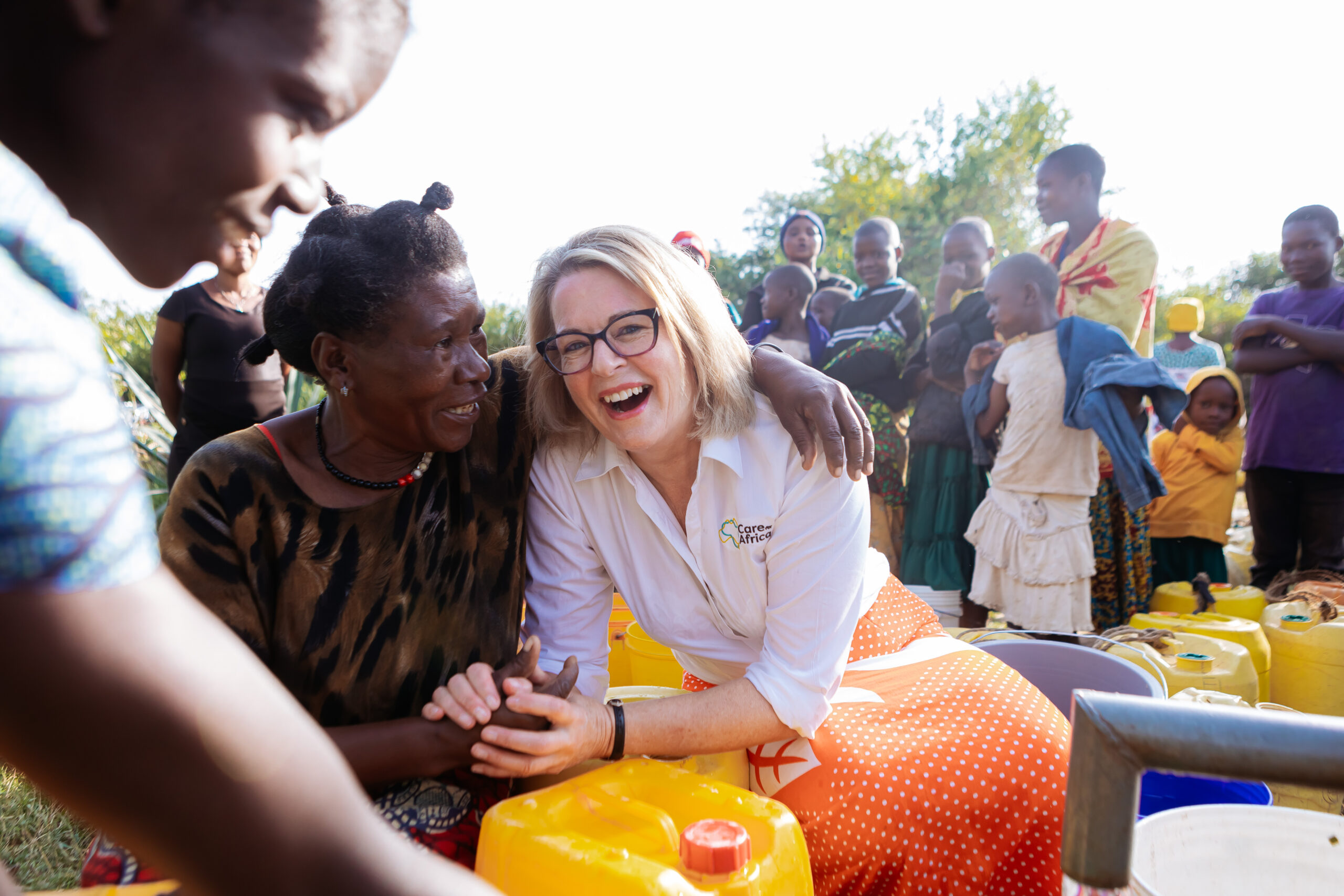
Five minutes with IWFA member Diana Butler OAM, CEO and Founder
Diana grew up on a farm in rural Tasmania, where she learnt the values of hard work, resilience, compassion and community, which have shaped both her personal life and leadership journey. She is a wife, mother and grandmother, and a nurse of more than four decades with extensive experience in emergency nursing and hospital management. She is also the Founder and CEO of Care for Africa Foundation, an Australian humanitarian organisation working alongside rural communities in Tanzania to create sustainable, community-led change through water, health, education and women’s enterprise.
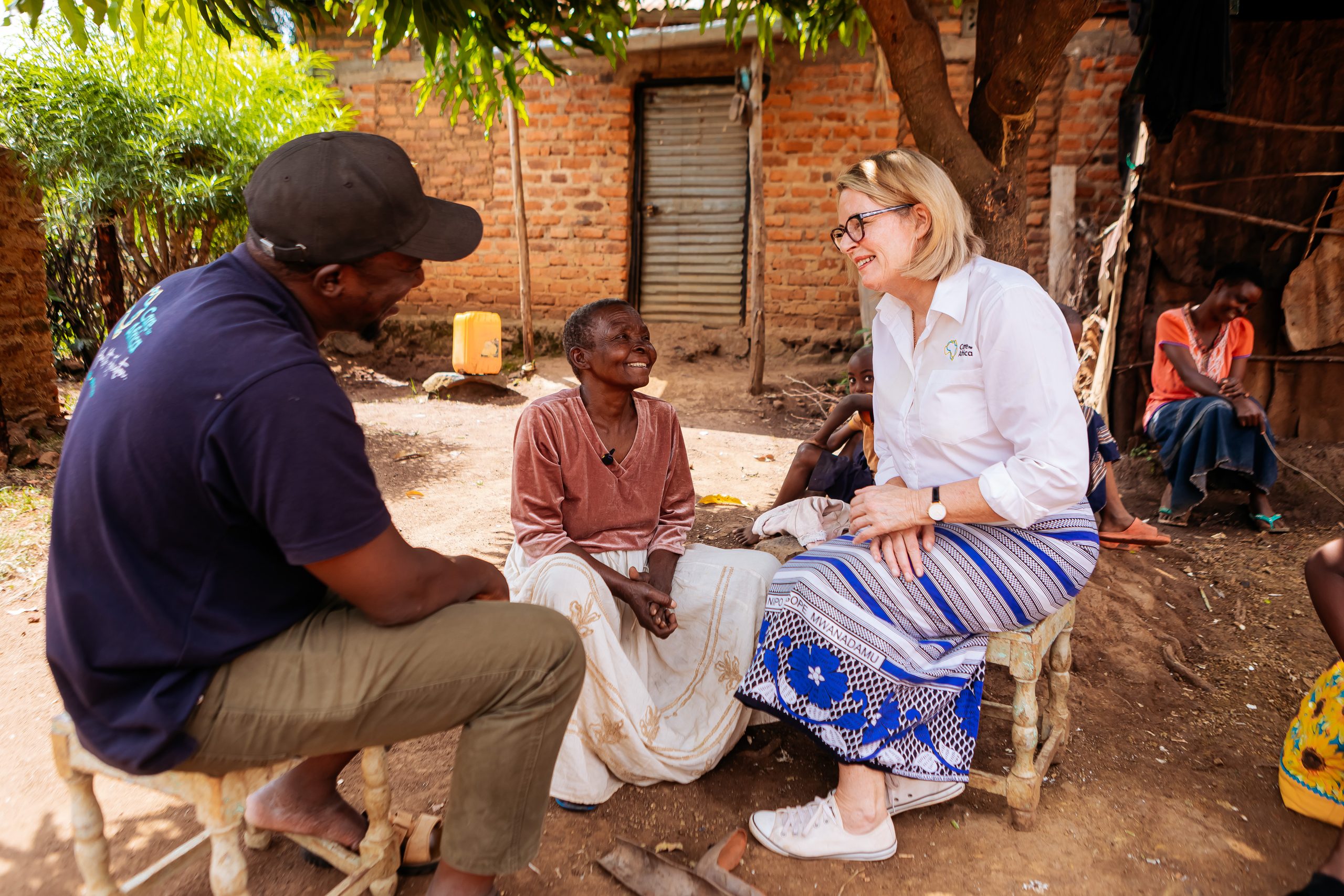
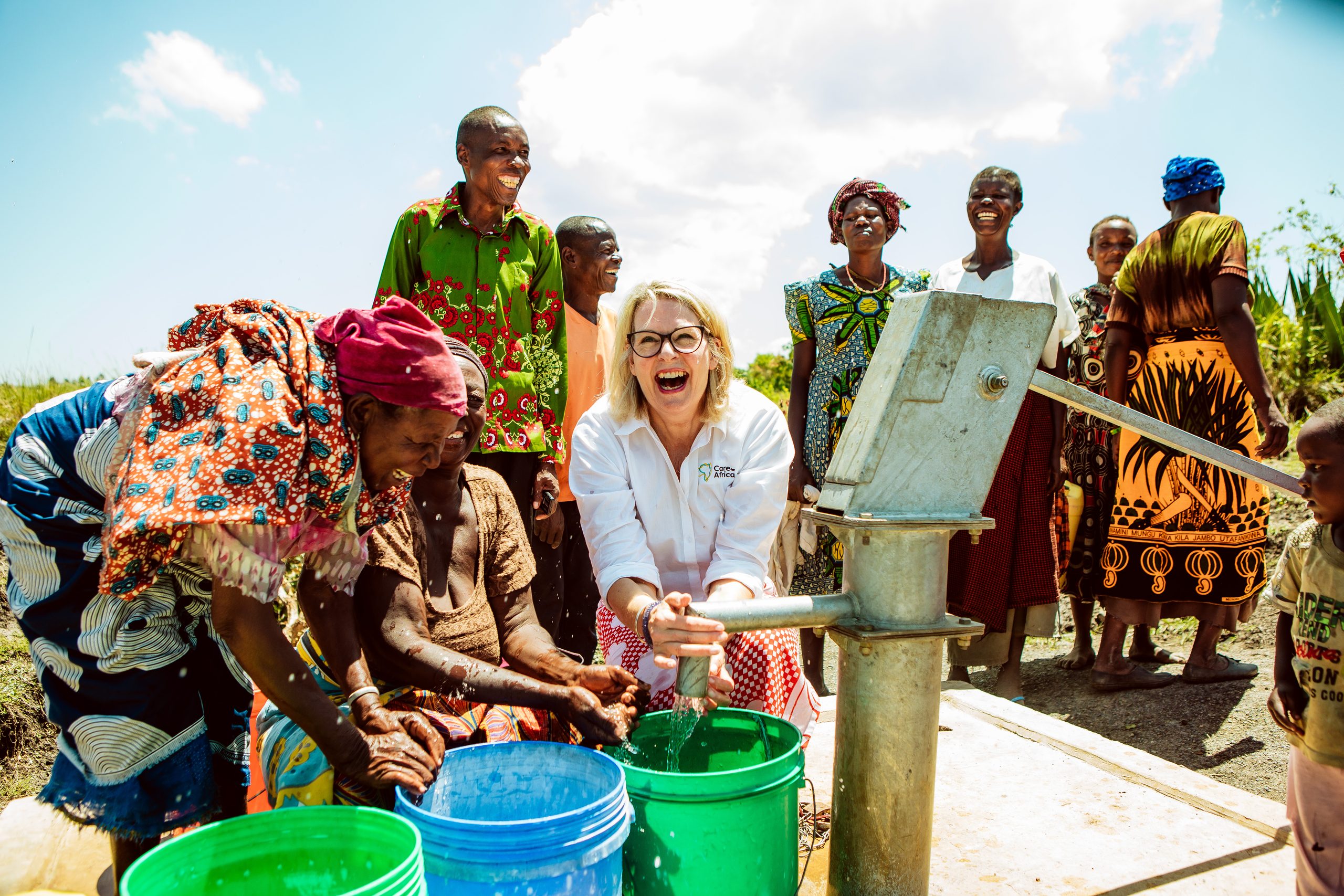
She was honoured to receive the Medal of the Order of Australia (OAM) in 2016 for her humanitarian work, and more recently, international recognition for her commitment to improving the lives of others.
She joined IWFA to connect with inspiring women from diverse backgrounds, share experiences, learn from one another and contribute to a collective voice that champions women’s leadership and creates opportunities for future generations. Above all, she is passionate about empowering women and girls, giving people the tools to write their own stories, and demonstrating that ordinary people, with courage, compassion and determination, can achieve extraordinary things.
- Can you share a defining moment in your journey that has shaped how you lead?
One of the most defining moments of my life was standing beneath the Makuru tree in Tarime, Tanzania, where I made a personal pledge to the people of Tarime that I would do everything within my power to make a difference in their lives.
I had witnessed the enormous challenges faced by families living without access to clean water, healthcare and education, and I knew I could not simply walk away. At that moment, I had no roadmap, no resources and no idea how I would fulfil my promise. I simply knew that I had to try.
That pledge became the beginning of Care for Africa and a lifelong commitment to the people of Tarime. It shaped my philosophy of leadership: to listen first, to lead with compassion, courage and humility, and to recognise that meaningful change can only happen when we work alongside the people whose lives we hope to improve.
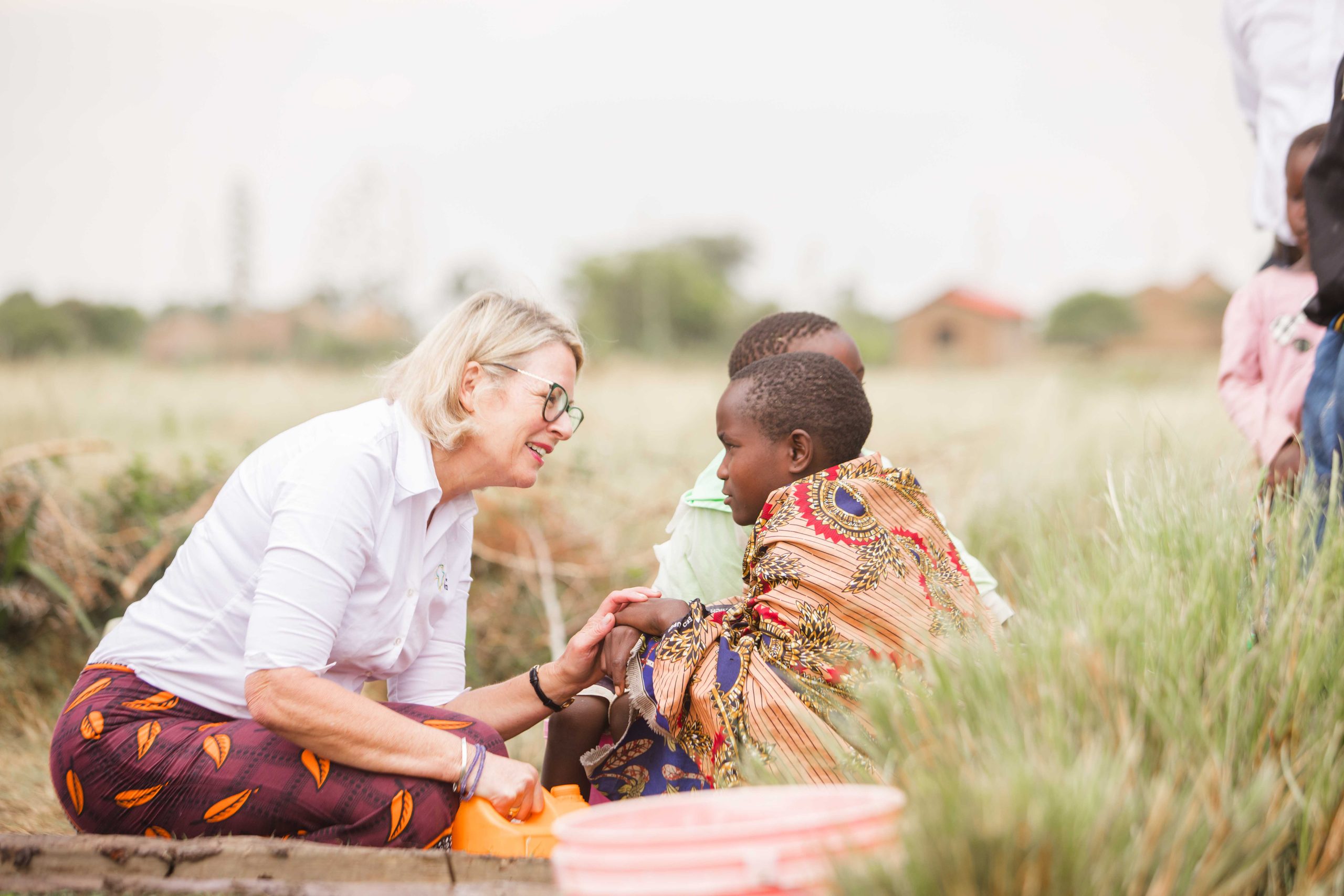
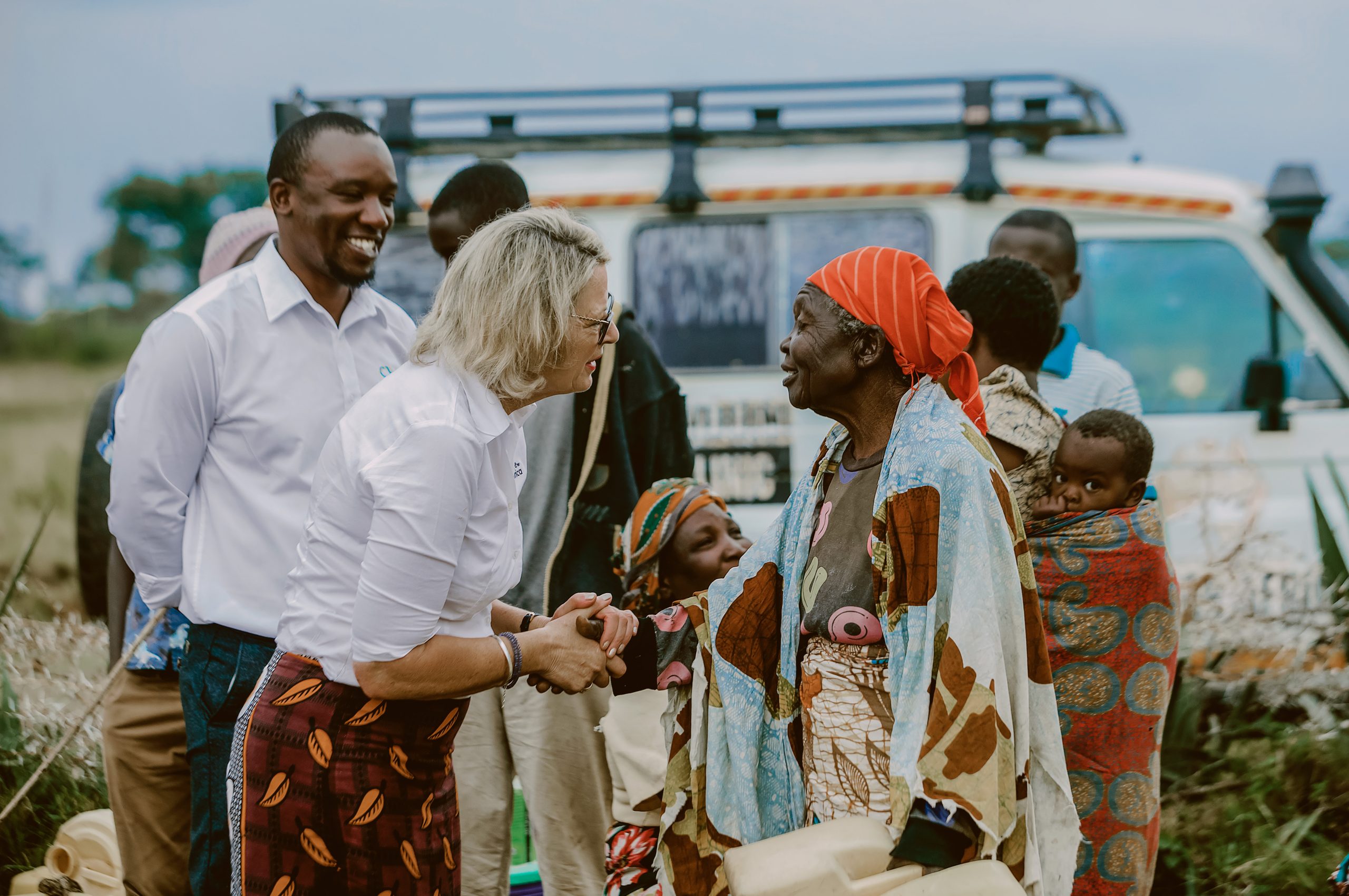
What began as one woman’s promise beneath a tree in rural Tanzania has grown into a shared journey of hope, opportunity and lasting change. I have come to understand that leadership is not about what we can achieve alone, but about what becomes possible when we inspire others to believe that change can happen.
2. What do you think we can do to further women’s leadership in Australia and beyond today?
We need to create opportunities for women to lead, particularly those whose voices are rarely heard. Leadership begins with education, financial independence and the confidence to believe that your contribution matters.
Through our women’s enterprise programmes in Tanzania, I have witnessed extraordinary women transform not only their own lives but the futures of their children and entire communities. Women who once had very few opportunities are now running businesses, educating their children, supporting one another and becoming respected leaders within their communities. Their courage, determination and resilience are a constant source of inspiration to me.
I believe that those of us who have been fortunate enough to access education, opportunities and positions of leadership have a responsibility to extend a hand to other women. We must continue to mentor, encourage, advocate and open doors, particularly for women who may never have imagined themselves in leadership roles.
But we must also go beyond encouragement. We need to challenge the barriers that hold women back, ensure their voices are heard where decisions are made, and provide them with the tools, resources and opportunities to shape their own futures.
For me, true leadership is not simply about what we achieve ourselves, but about the opportunities we create for others. I believe that when we empower one woman, we empower a family, strengthen a community and have the potential to change generations.
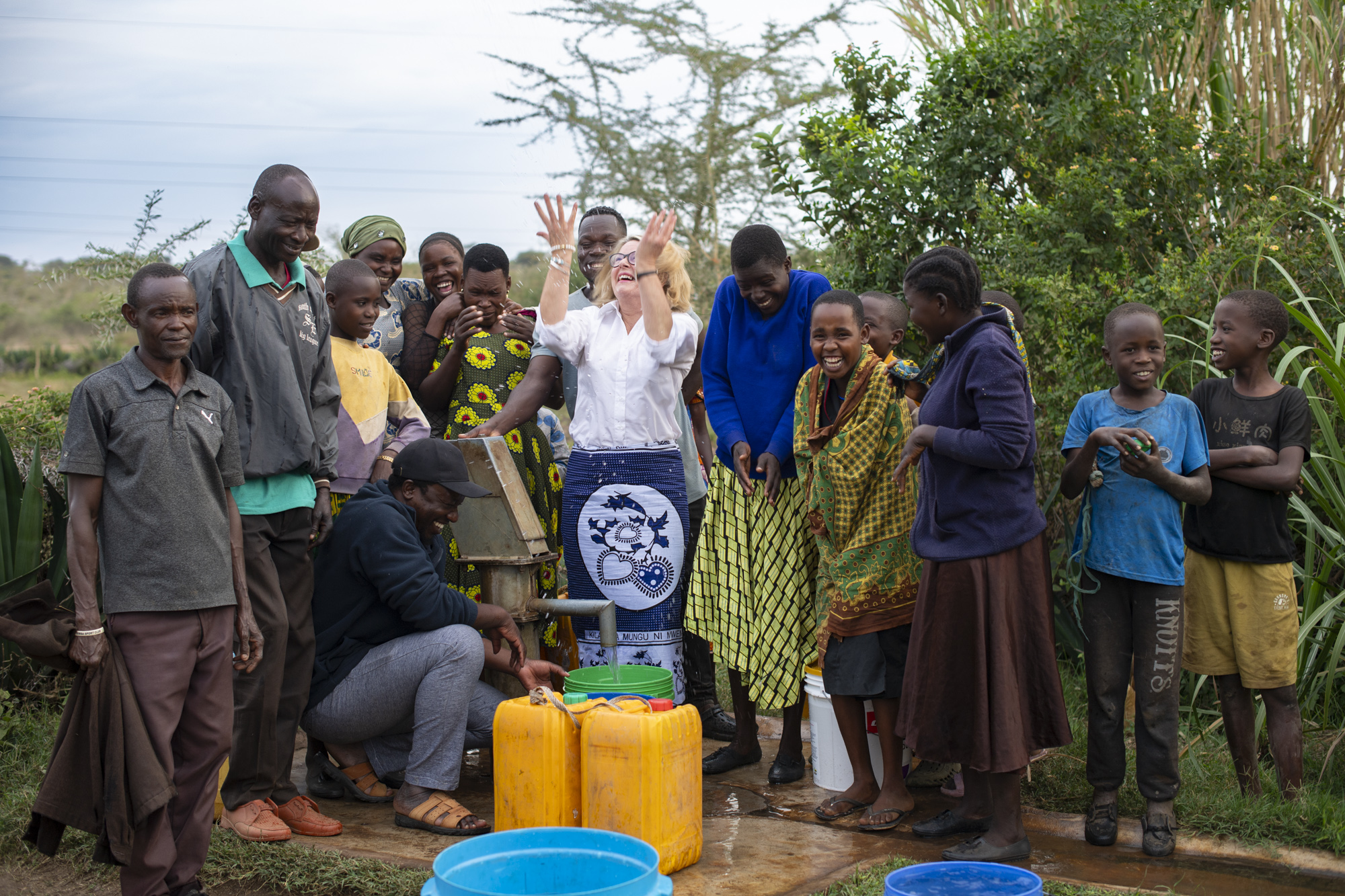
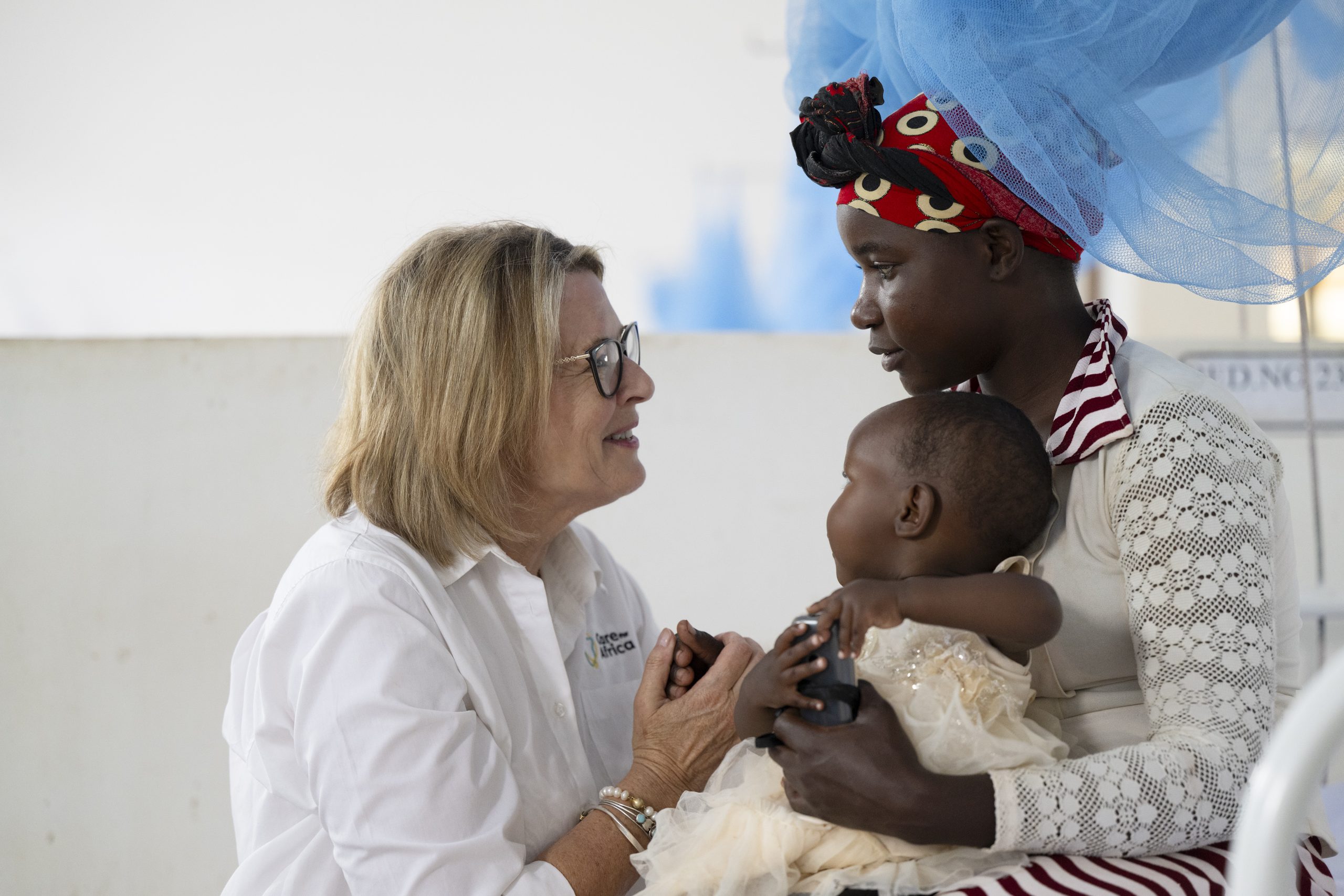
As women leaders, our greatest legacy may not be the positions we have held, but the women we have helped rise alongside us.
3. How do you stay resilient and motivated during difficult times?
My nursing career has taught me to remain calm in a crisis, make difficult decisions and never lose sight of the human being at the centre of every situation.
One of my greatest tests of resilience came during the political unrest in Tanzania in 2025, when I was responsible for coordinating the evacuation of our Australian volunteers to safety. For six days, with minimal sleep, I navigated an extraordinarily complex situation, coordinating with people across four countries and multiple government authorities, while dealing with a fractured shoulder and a painful bout of shingles. Despite my own physical challenges and exhaustion, my absolute priority was the safety and wellbeing of our volunteers. It was an experience that tested me in ways I could never have imagined.
Throughout my personal and professional life, I have learnt that resilience is not about being unaffected by adversity, but about finding the strength and purpose to keep moving forward. I have also learnt that resilience doesn’t mean having to be strong all the time or carrying every burden alone. It comes from the love, trust and strength of the people who walk alongside you.
I am incredibly fortunate to be surrounded by a loving family and my extended Care for Africa family, both here in Australia and in Tanzania. They give me strength, perspective and an enormous sense of belonging.
When life becomes difficult, I remind myself how fortunate I am. I have a bed to sleep in, clean water to drink, a loving family and opportunities that so many of the families we work alongside in Tanzania do not have. That perspective is both humbling and deeply motivating.
When I reflect on the challenges I face, I am reminded that what may be difficult for me is often a daily reality for the families we serve. It is this perspective, together with the love of my family and the trust placed in us by the communities of Tarime, that gives me the strength, gratitude and determination to keep going.
4. Do you have any mottos or mantras you live by? If so what and why?
My motto has evolved over the years, reflecting my own journey as a leader and the lessons I have learnt from the remarkable people of Tarime, Tanzania.
For many years, I have lived by the words, “It is the voice of the people and the ear that listens which enables change.” I believe meaningful change begins with listening, understanding and respecting the voices of those we seek to support.
More recently, my philosophy has evolved into something even more powerful: “Give me the tools to write my own story.”
These words capture everything I believe about empowerment, dignity and self-determination. True leadership is not about creating someone else’s future for them, but about providing the opportunities, knowledge and resources that enable people, particularly women and girls, to determine their own destiny.
I have witnessed this firsthand through our women’s enterprise programmes in Tanzania, where women who once had so few opportunities are now running businesses, earning their own incomes, educating their children and becoming respected leaders within their communities. Their achievements are not my story to tell as my own; they are stories these extraordinary women are writing for themselves.
I believe the greatest measure of leadership is not what we achieve for others, but what we empower others to achieve for themselves.
When we give a woman the tools to write her own story, we don’t just change one life. We have the potential to change generations.